Deep House Drum Grooves: Swing, Ghost Notes and Space
Program deep house drum grooves with subtle swing, quiet ghost notes and enough negative space for bass, chords and vocals to breathe.
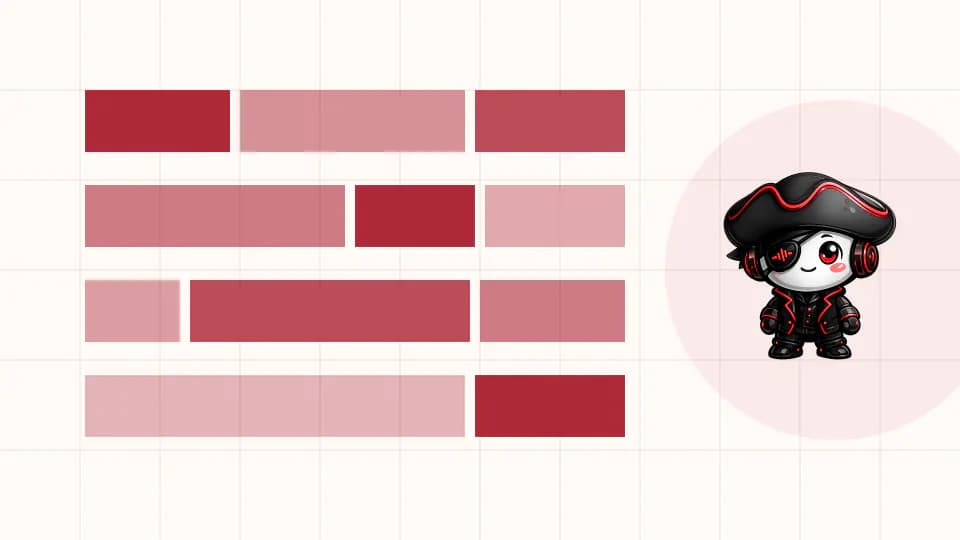
Build the pocket with fewer sounds
Deep house drum grooves depend on placement and contrast more than a large sample count. Begin with kick, clap and one closed hat. Add house percussion only when it answers an empty part of the bar. The central pattern should already feel relaxed before reverb, saturation or a groove template is applied.
Shorten sounds that cover the next hit and use velocity to establish foreground and background. Quiet details can make the main accents feel stronger without increasing peak level.
Apply drum swing selectively
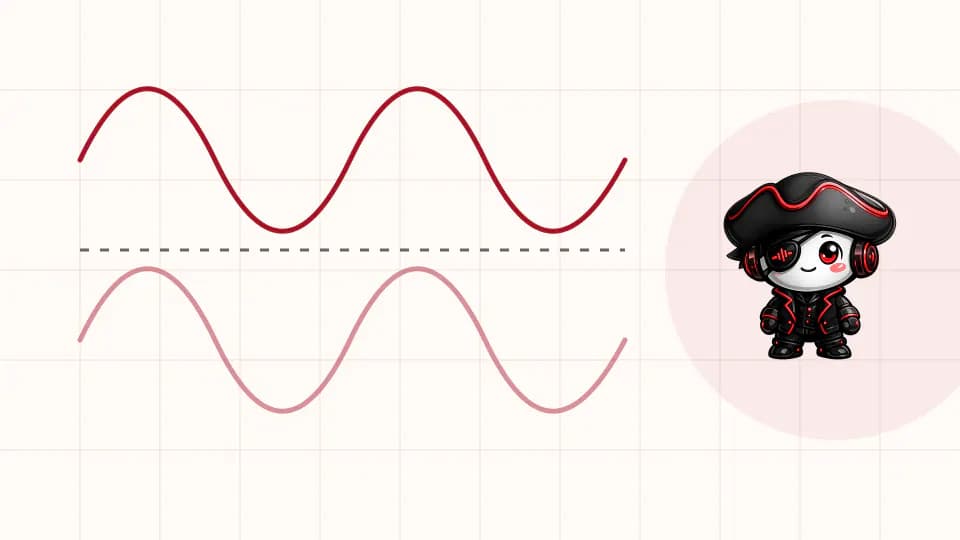
Use the Ableton groove pool on hats, shakers and supporting percussion first. Keep the kick dependable and raise Timing slowly until the pattern leans without becoming late. Commit the result and inspect individual notes because not every event needs the same movement.
A small amount of velocity variation can complement drum swing, but random timing on every lane often weakens the pocket. Preserve the notes that define the phrase.
Use ghost notes as conversation
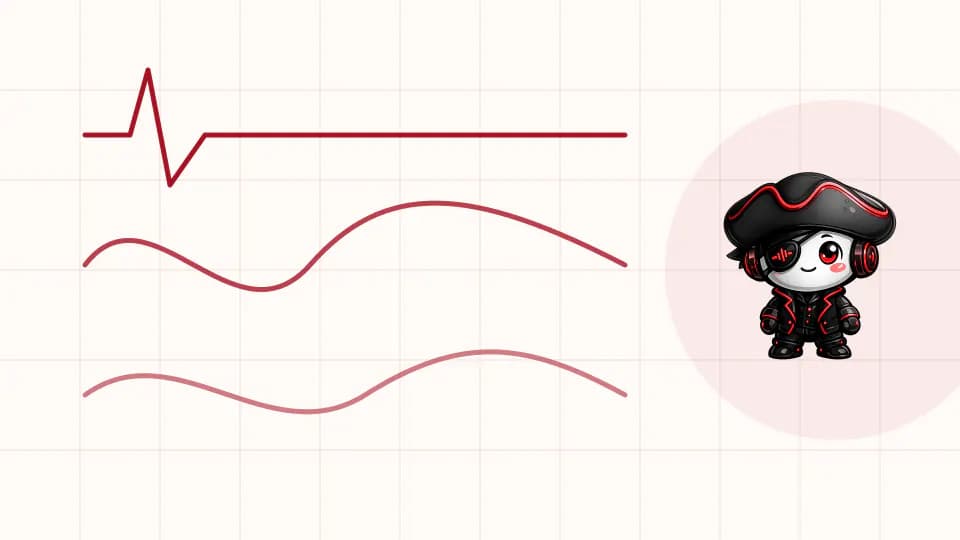
Place ghost notes immediately before or after a strong accent and reduce their velocity until they are felt more than heard. Change pitch, filter or envelope slightly so they do not sound like smaller copies. The best ghost notes lead attention toward the clap, hat or bass response.
Mute the quiet hits during the mix check. If the groove loses depth but keeps its core timing, those details are doing useful work. If nothing changes, simplify or move them.
- Keep ghost notes below the main accent level.
- Vary timbre as well as velocity.
- Leave deliberate silence around vocals and chord attacks.
Mix for warmth without blurring transients
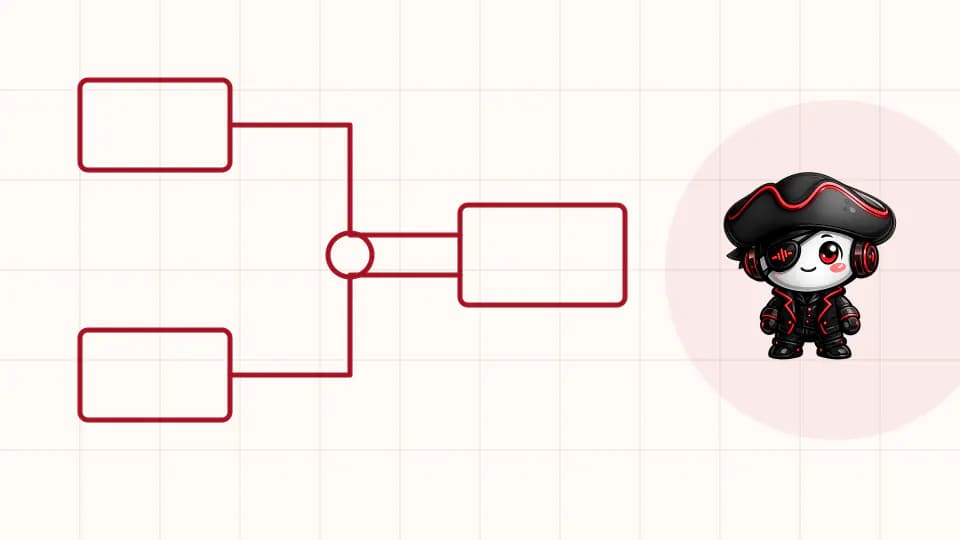
A short room can place separate one-shots in one space. Filter the return and choose a decay that ends before the next important event. Parallel saturation adds warmth while preserving clean attacks, especially when the driven return is level-matched and blended carefully.
Finish the loop with bass and chords active. Deep house needs space between the elements, so remove a percussion layer before reaching for stronger compression. Negative space is part of the groove, not unused capacity.
PUT THE WORKFLOW TO USE
Browse House Pirata grooves
Build a focused drum palette from the house archive.QUICK ANSWERS
Frequently asked questions
How much swing should deep house drums use?
Start subtly on hats and supporting percussion. Stop when the groove leans naturally while the kick and clap still feel dependable.
What makes a useful ghost note?
A useful ghost note supports a nearby accent through lower velocity, shorter envelope or different timbre without demanding attention itself.
Should every drum use the same groove template?
No. Apply timing selectively and inspect moved notes. Stable anchors make the swung supporting parts feel more intentional.
KEEP BUILDING
Related production guides
Minimal House Arrangement in Ableton: Keep It Moving
Turn a compact loop into a minimal house arrangement with controlled subtraction, evolving details and clear DJ-friendly phrase changes.
How to Build a Tech House Bassline in Ableton Live
Build a tech house bassline that locks with the kick, carries a memorable rhythm and translates cleanly from studio monitors to a club system.
Free House Samples: Download 5 a Day and Build Better Groove
Free house samples from HousePirata give you five downloads every day at no cost. Build a focused collection of kick, clap, hats, percussion, bass, chords, and vocals before buying a pack. Learn what to choose, how to create groove, and when Basic can save money and speed up production.