Kick and Bass in House: Phase, Space and Groove
Understand the relationship between house kick and bass by defining frequency roles, checking phase, shaping note lengths and using sidechain movement that protects both punch and groove.
Choose the low-end anchor for the track
The house kick and bass relationship becomes clear when each sound has a defined job. Decide whether the kick carries the deepest short fundamental and the bassline supplies movement above it, or whether a compact kick leaves room for a sustained sub note. The choice depends on the groove and source envelopes, not a universal crossover frequency.
Treat the house low end as one connected system: evaluate the kick bass relationship, phase alignment and sidechain compression together instead of correcting each meter in isolation. Every technical change must still improve the groove.
Audition pitch and octave in context. The kick body does not need to equal the root note, but an extended ringing pitch can conflict with the bassline. Remove only unusable subsonic movement, control narrow resonances and keep midrange harmonics that make the bass audible on headphones, cars and smaller speakers.
Align phase without freezing the bassline
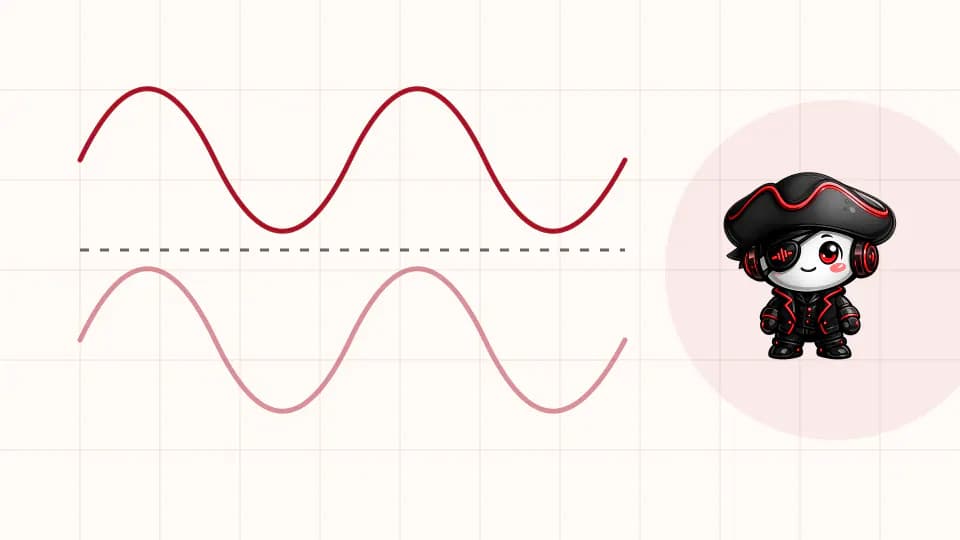
Overlapping kick and bass waveforms can reinforce one another or create cancellation. Test polarity, move the kick or a layered sub by tiny amounts and compare in mono at matched loudness. The goal is stable weight and a predictable peak, not simply the loudest isolated hit. A seemingly huge peak may reduce headroom without improving the groove.
A moving bassline changes its phase relationship on every pitch, so test the complete phrase. Avoid solving the root note while weakening the passing notes. Print complicated chains, account for device latency and recheck alignment whenever either envelope changes. Consistent timing usually creates more authority than another saturator.
- Test the complete bass phrase.
- Compare mono and stereo at equal level.
- Recheck phase after changing note length.
Shape note length and sidechain for musical movement
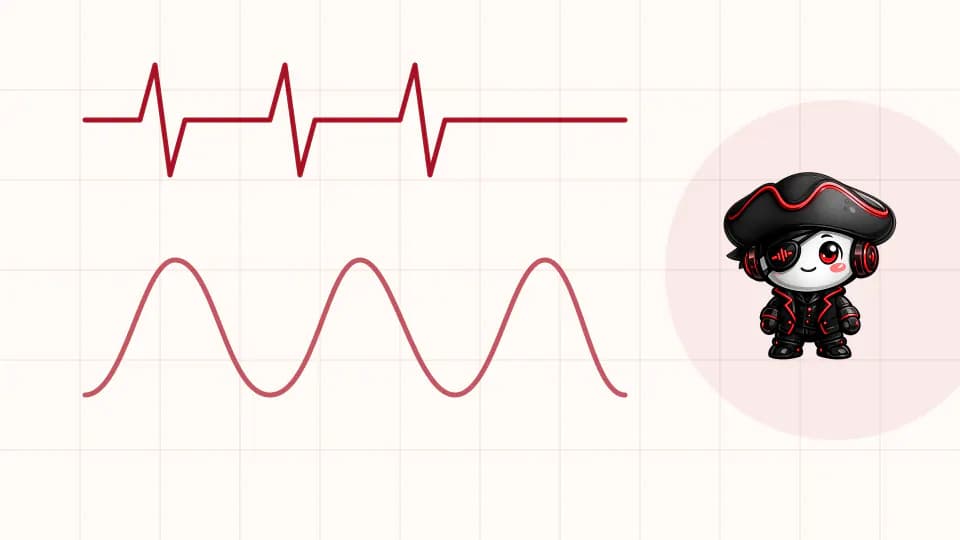
House groove depends on the space between events. Shorten a kick tail or bass note that covers the next rhythmic answer before making drastic EQ cuts. Set sidechain attack to protect the kick impact and release to restore the bassline on the intended subdivision. The visible gain-reduction curve should agree with what the body feels at the track tempo.
Volume automation can create a cleaner pocket than broadband compression, especially with syncopated or offbeat bass. Multiband ducking is useful only when continuous upper harmonics are essential. Listen for clicks, late swells and lost ghost notes. If the bass returns unnaturally, redraw the envelope rather than applying more reduction.
Check translation before mastering
Evaluate kick and bass with the whole groove active because claps, toms, low percussion and reverbs also consume low-end headroom. Monitor quietly, sum to mono, check a small speaker and compare a level-matched reference with similar rhythm and density. Each playback condition reveals a different balance between punch, note definition and warmth.
Leave enough headroom for mastering and bypass the limiter during final envelope decisions. A reliable house kick and bass relationship should already feel coherent before loudness processing. Export a simple groove and the busiest section, then listen outside the project. Correct source timing and note length before reaching for master-bus fixes.
PUT THE WORKFLOW TO USE
Build a cleaner house low end
Audition focused House Pirata kicks, bass sources and grooves in a practical workflow.QUICK ANSWERS
Frequently asked questions
Should the house kick or bassline own the sub frequencies?
Choose one stable low-end anchor. A long sub-heavy kick normally needs a shorter or higher bass role, while a sustained sub bassline benefits from a tighter kick.
Does every house bassline need sidechain compression?
No. Note placement, envelope editing and volume automation may provide better separation. Use sidechain when its movement improves both clarity and groove.
How do you test kick and bass phase?
Listen in mono, test polarity, move overlapping layers by tiny increments and evaluate the complete bass phrase at matched loudness rather than one isolated hit.
KEEP BUILDING
Related production guides
Deep House Drum Grooves: Swing, Ghost Notes and Space
Program deep house drum grooves with subtle swing, quiet ghost notes and enough negative space for bass, chords and vocals to breathe.
How to Build a Tech House Bassline in Ableton Live
Build a tech house bassline that locks with the kick, carries a memorable rhythm and translates cleanly from studio monitors to a club system.
Minimal House Arrangement in Ableton: Keep It Moving
Turn a compact loop into a minimal house arrangement with controlled subtraction, evolving details and clear DJ-friendly phrase changes.