How to Make Afro House in Ableton Live: Drums, Bass and Arrangement
To make Afro House in Ableton Live, choose one clear reference, build a steady kick and an interlocking percussion conversation, then write a restrained bassline and musical response before arranging the loop. This guide turns those decisions into a complete workflow for groove, sound selection, vocals, transitions, low-end control and a clean test export.
Step 1: Define the Afro House record you are actually making
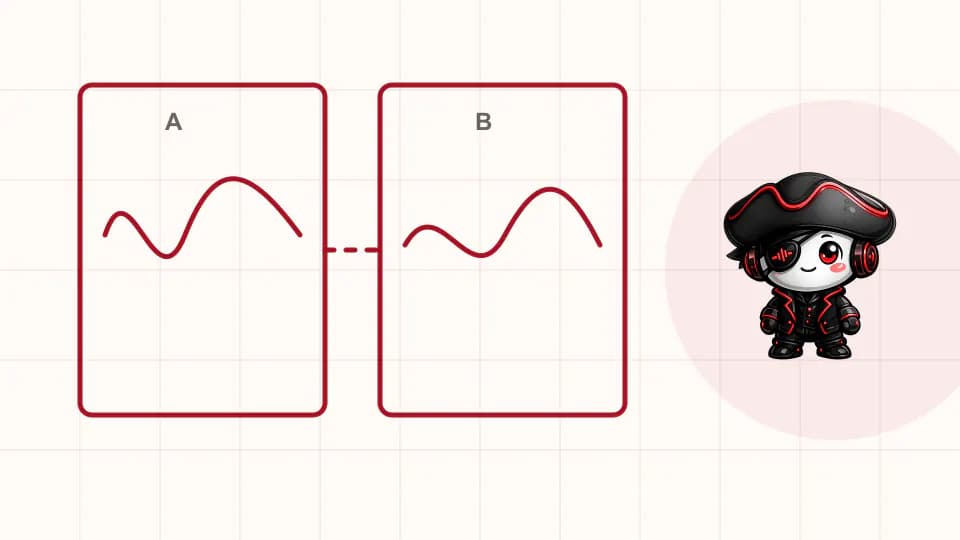
Afro House covers records with very different tempos, percussion vocabularies, vocal approaches and regional influences. Start with one released reference that matches the energy and playback context you want. Tap its tempo, mark where the kick, bass, lead and voice enter, and describe the groove in plain language. A reference gives you measurable relationships; a label alone does not tell you how dense the drums should be or how long the breakdown should last.
Create an Ableton Live Set with groups for kick, main drums, supporting percussion, bass, music, vocals, effects and references. Route shared room and delay returns now, but leave musical tracks empty. Lower the reference until it matches the perceived loudness of your unfinished loop. This small setup makes every later choice easier to compare and stops a loud mastered record from misleading your balance decisions.
Step 2: Build a stable kick and an interlocking percussion conversation
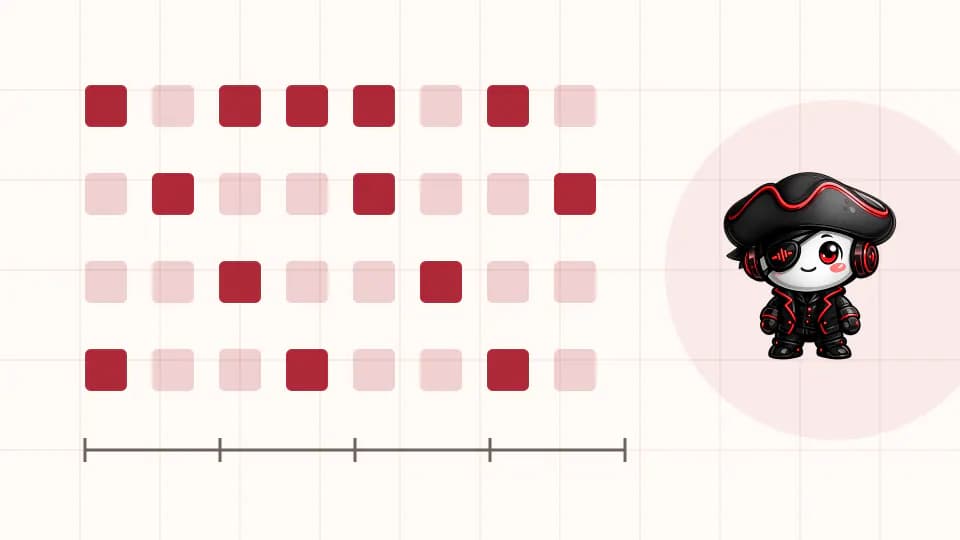
Place a dependable four-on-the-floor kick and audition it at the target tempo before stacking drums. Add one high-frequency timekeeper, one midrange response and one low or tonal percussion part. Each new lane should answer an available space in the bar. If two parts perform the same rhythmic job, mute one or change its register, envelope or placement. Complexity should come from interaction between simple lines, not from ten loops playing continuously.
Program the important hits in Drum Rack or separate MIDI tracks so velocity, note length and timing remain editable. Keep the kick and the clearest pulse stable. Move selected supporting notes, or apply one Groove Pool template at a low amount and compare it with the straight version. Live can apply grooves to MIDI and warped audio, but the musical test is whether the parts lean together without making the downbeat vague.
| Role | First decision | What to protect |
|---|---|---|
| Anchor | Kick and main backbeat | Reliable pulse and uncluttered transient |
| Timekeeper | Hat or shaker | Consistent subdivision with controlled velocity |
| Conversation | Toms, congas or hand percussion | A phrase that answers rather than duplicates |
| Detail | Quiet fills and textures | Space around vocals and section changes |
Step 3: Write the bassline as part of the drum groove
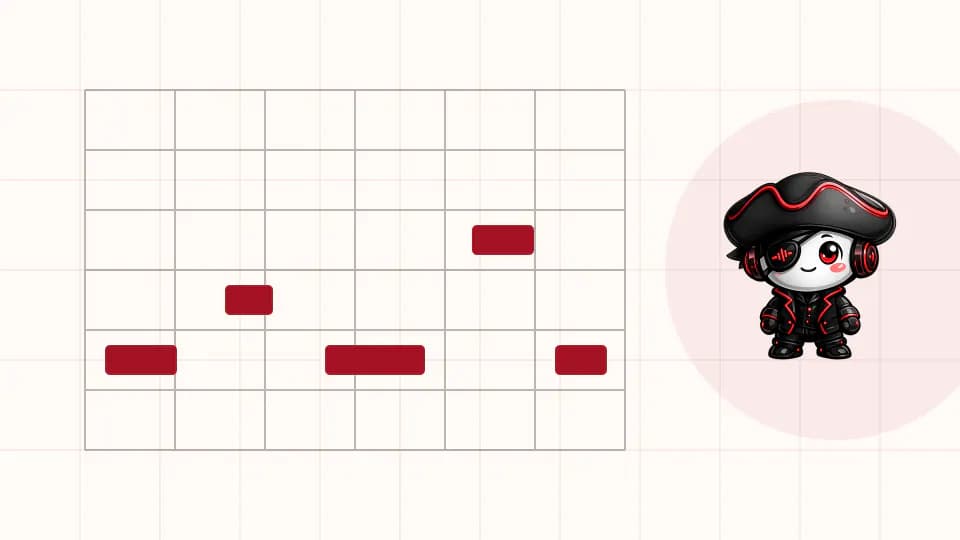
Load a simple synth or sampler and write the Afro House bassline with one or two pitches first. Place notes in the gaps created by the kick and percussion, then adjust their duration. A short note can sharpen the pocket; a sustained note can carry a sparse section, but it also occupies more low-end time. If the rhythm does not work with a basic waveform, browsing presets will not repair it.
Choose the key from the musical material or establish it deliberately, then test every bass note against the kick tail and chord roots. Add harmonics with controlled saturation or a mid-bass layer only when the line disappears on smaller speakers. Keep the deepest information centered and make octave changes by listening in context, because equal MIDI velocity does not guarantee equal perceived weight across pitches.
Step 4: Create musical call and response without overcrowding the groove
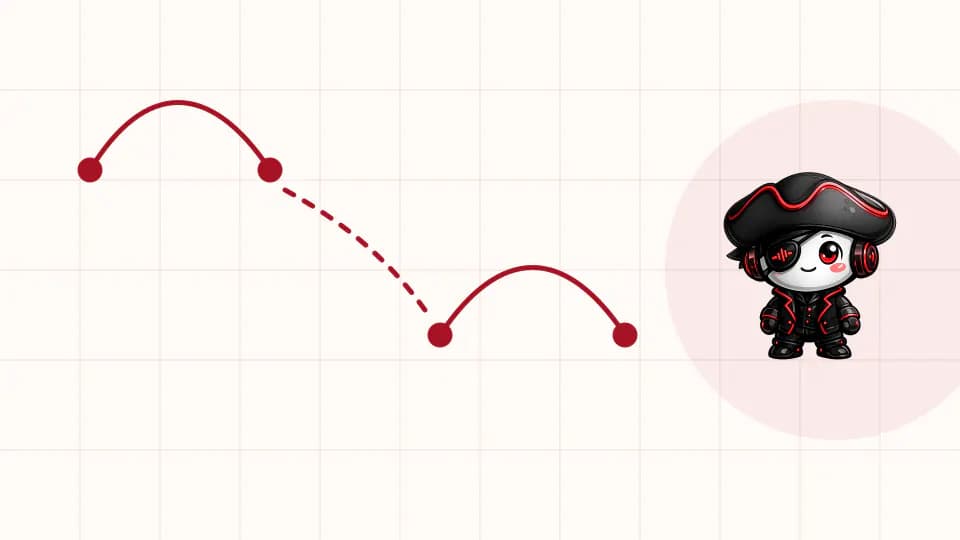
Choose one main musical voice: a chord pulse, pluck, marimba-like tone, guitar phrase, synth lead or another source you can shape with intention. Write a short statement and let a second element answer it in a different register or at the end of the phrase. The answer can be a chord inversion, delayed note, filtered texture or vocal fragment. Preserve empty beats so percussion and bass remain part of the composition rather than a background under constant melody.
Use the MIDI editor's scale display as a visual aid, not as a substitute for listening. Check chord voicings against the bass, shorten releases that smear into the next phrase and automate only the controls that create a clear change. When using culturally specific instruments, vocals or field recordings, use material you created or licensed and document its source. Do not rip recordings or reduce a musical culture to an unlabeled 'tribal' texture.
Step 5: Turn the loop into an Afro House arrangement
Move into Arrangement View while the groove is still easy to change. Copy enough material to see a full timeline, then create an intro, first statement, development, main section, breakdown, return and outro according to the reference and intended DJ context. These are functional states rather than mandatory bar counts. Mark the phrases and decide what the listener should recognize, miss and anticipate in each one.
Build motion through subtraction before adding transition effects. Remove the bass for part of a phrase, thin the percussion conversation, shorten the main motif or expose a vocal response. Let one prepared change announce each boundary: a filtered return, short fill, reverb tail or moment of silence. Keep a clean route into and out of the strongest groove so DJs can understand the phrasing without every transition being exaggerated.
Step 6: Mix percussion depth and low end before chasing loudness
Set kick and bass at a quiet monitoring level, check them in mono and shorten overlaps before using steep EQ. If ducking is needed, route the kick to a sidechain-capable device and shape the bass return around the groove. The trigger controls compression; it does not need to be heard through the bass channel. Judge the attack and release across the entire phrase, including syncopated notes and fills.
Create depth with a few shared returns. A short filtered room can connect percussion, while a longer delay or reverb can belong to selected musical responses. High-pass or otherwise control effects that add unnecessary low energy, and automate sends instead of leaving every lane wet. Compare against the level-matched reference, bypass the master limiter for balance decisions and export both a dense section and a sparse section before the final revision.
Common Afro House production mistakes
The most common mistake is confusing more percussion with more groove. Layering full loops can create flams, competing accents and a constant midrange that leaves no room for voice or melody. Another mistake is applying the same swing to every part: without stable anchors, the pocket loses contrast. Fix hierarchy and timing before reaching for bus compression.
A second group of errors comes from imitation without context: copying a reference's visible waveform, adding generic chants without rights or treating one production formula as representative of a broad field. Use references to measure relationships, not to trace musical content. Keep provenance for external material, make original decisions and let the audible result determine whether a technique belongs in the track.
Afro House Ableton checklist before export
Play the track from start to finish without touching the mouse. Write down only problems you can locate in time, then make one corrective pass. The groove should survive with effects bypassed, section changes should be clear at low volume and the kick-bass relationship should remain stable in mono. Confirm that every vocal, loop and recording is original or properly licensed before publication.
- A reference and target listening context are documented.
- Kick, timekeeper and percussion responses have distinct roles.
- Bass rhythm and note lengths work before heavy processing.
- The arrangement changes energy through addition and subtraction.
- Reverb and delay do not blur the low end or every transient.
- The test export has headroom and no accidental clipping.
Next step: rebuild the groove with a smaller palette
Save the first export, wait long enough to reset your ears and compare it with the reference at matched loudness. Identify the single weakest relationship: perhaps the percussion hierarchy, bass envelope, musical response or arrangement contrast. Reopen the Set and revise that relationship before adding new sounds. A focused second version teaches more than an endless first session.
For the next track, rebuild the method with a different reference and a smaller palette. Reusing the decision sequence while changing the source material reveals which choices are transferable and which belonged only to the first record. That is how an Ableton workflow becomes reliable without turning into a rigid Afro House formula.
PUT THE WORKFLOW TO USE
Explore the current House Pirata library
Audition available drums, bass sources and musical material by role, then build with a limited, documented palette.QUICK ANSWERS
Frequently asked questions
What BPM should Afro House use?
There is no single required BPM. Measure a relevant reference, test a nearby tempo range and choose the point where kick, percussion, bass and vocal phrasing create the intended movement.
How do I make Afro House drums feel organic in Ableton?
Keep clear anchors, vary velocity and timing on selected supporting parts, shape envelopes and let simple percussion lines interact. Compare every groove treatment with the straight version.
What should an Afro House bassline do?
It should complete the drum phrase, reinforce the harmony and leave the kick readable. Start with few pitches, deliberate silence and controlled note lengths before choosing a complex sound.
Can I make Afro House with Ableton stock devices?
Yes. Drum Rack, Simpler, Live instruments, MIDI editing, Groove Pool, EQ, saturation, compression, returns and automation cover the core workflow. Source choice and musical decisions matter more than a specific third-party plugin.
How should I use vocals and culturally specific samples?
Use recordings you created or have permission to use, preserve source and license documentation and work with context and respect. Never assume an online recording is free to sample.
KEEP BUILDING
Related production guides
How to make house music from scratch: groove, bass, chords and mix
To make house music from scratch, choose a clear reference, build a dependable four-on-the-floor pulse and shape groove through bass placement, hats, percussion, velocity and silence. Then add one harmonic identity, arrange deliberate energy changes and mix around the low end. This guide takes that process from the first kick to a testable export without imposing one house formula.
How to produce in Ableton Live: an essential house workflow
To produce house in Ableton Live, organize a small set of audio and MIDI tracks, sketch the groove in Session View or directly in Arrangement View, then commit to a timeline early. This guide shows how Drum Rack, Simpler, Groove Pool, returns, sidechain and automation support that process and lead to a clean test export.
How to Make a House Bassline in Ableton Live: Rhythm, Sound and Mix
To make a house bassline in Ableton Live, write a simple rhythm around the kick, shape note length and silence, confirm the key, then choose a synth or sampled source with useful harmonics. This guide explains MIDI programming, groove, sound design, kick-bass separation, sidechain, arrangement variations and translation across deep, classic, Afro and Tech House contexts.